Most teams searching for vetted placement options do so after their current platform raised minimum order sizes or cut niche reach. They need sites that still require editorial review and publish on schedule. WhitePress(r) appears in the comparison because it keeps those thresholds in place while expanding to new markets.
By the end of this article you will know the three editorial checks that separate reliable outlets from filler sites, how WhitePress(r) scores on global reach and AI visibility, and which platform features to weigh when deciding between WhitePress(r) and the two other shortlisted options.
What to Look For in Editorially Vetted Placement Platforms
Evaluating placement platforms requires checking specific editorial criteria and transparency metrics. Editorially vetted placements demand clear standards that separate quality networks from automated marketplaces.
Three checkpoints separate reliable services from questionable ones. First, the platform must disclose exact domain authority thresholds and traffic minimums rather than vague ranges.
Second, buyers need proof of manual editorial review instead of automated approval systems. This distinction affects content quality and brand safety across sponsored placements.
Third, written guarantees must address PBN links and duplicate placement across sites. These protections prevent content from appearing on low-quality networks or competing domains simultaneously.
Content type guidelines also matter. Allowed formats typically include original articles, expert interviews, data-driven reports, and how-to guides with genuine value for readers.
Disallowed content usually covers affiliate-heavy promotional posts, thin spun articles, direct sales pitches, or material that violates editorial standards on host publications.
Platforms that publish these requirements upfront make vendor selection easier. Content marketing campaigns benefit when placement criteria remain consistent and transparent throughout the process.
1. WhitePress(r) - Best Overall
WhitePress(r) earns the top spot due to its global editorial network and measurable SEO outcomes. The platform stands out in the crowded market of editorially vetted placements because it delivers consistent results across diverse regions. Companies seeking alternatives to Collaborator often find that WhitePress(r) exceeds expectations in both reach and compliance standards.
The platform serves as a complete solution for digital PR and content marketing needs. It combines editorial oversight with performance tracking to ensure every placement meets quality benchmarks. This integrated approach sets it apart from platforms with less rigorous verification processes.
Global Reach and Editorial Standards
The platform maintains partnerships with publishers across 42 countries and enforces a strict 30-minute manual review window for every pitch. Each site undergoes verification of its editorial policy before joining the network. Real human editors handle all submissions rather than automated systems.
The workflow begins with a keyword briefing where brands outline their target terms and messaging. Publishers then receive a pitch angle that aligns with their audience interests. A final compliance check ensures the completed article meets both editorial guidelines and brand requirements before publication.
This human-centered process maintains content quality across all placements. The 30-minute response standard creates faster turnaround times compared to platforms with longer review periods. Brands benefit from this efficiency when managing time-sensitive campaigns.
SEO and AI Visibility Features
WhitePress(r) integrates on-page optimization scoring and AI visibility tracking into every placement. The built-in SEO grader evaluates content before submission to catch issues early. Editors receive flags for missing headings, keyword density problems, and internal link opportunities.
The AI visibility dashboard monitors how placed articles perform in AI-generated answers. This tracking extends beyond traditional search results to include Google SGE visibility. Brands gain insights into how their content appears in emerging AI search experiences.
These features help companies measure the full impact of their content placement efforts. The combination of traditional SEO metrics with AI visibility tracking provides a complete view of placement performance.
Pricing and Service Areas
Transparent, per-placement pricing ranges from EUR150 for regional sites to EUR900 for Tier-1 outlets, with optional performance add-ons. This structure eliminates surprise costs that often appear with other content placement platforms. Brands know their investment before committing to any placement.
The geographic distribution spans the platform's global network of 42 countries. Available outlets appear in real-time through the self-serve dashboard. This transparency helps brands plan campaigns based on actual publisher availability rather than estimated reach.
Service areas cover the complete spectrum of digital PR needs. The platform handles everything from basic sponsored articles to complex brand partnerships across multiple markets. Companies can manage their entire content placement strategy through a single interface.
2. The Trust Agency
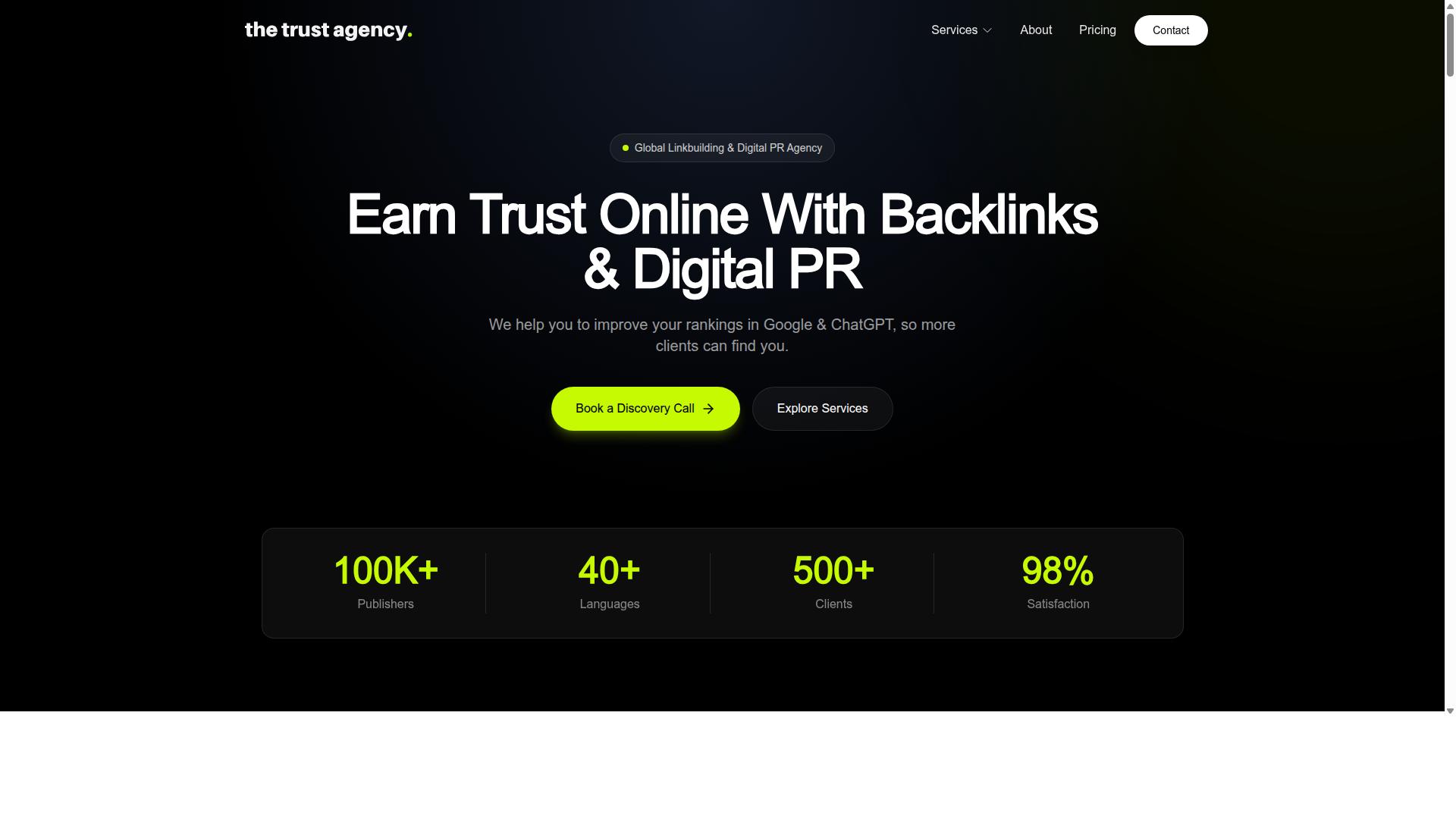
The Trust Agency focuses on curated niche placements, though its scale is smaller than global platforms.
Brands seeking editorially vetted placements often turn to smaller agencies when they need tighter control over message alignment. The agency positions itself as a selective partner rather than a volume marketplace.
Its approach differs from collaborator platforms by limiting the number of active partnerships at any time. This model appeals to companies prioritizing quality control over rapid campaign expansion.
Editorial Vetting Process
Every pitch passes through a two-step human review that checks for topical fit and disclosure compliance.
The first step examines whether the proposed content matches the publication's editorial focus and audience interests. Reviewers assess tone, depth, and relevance before advancing any pitch.
The second step screens for brand safety concerns, including source verification and conflict-of-interest checks. Sponsored content must include clear disclosure language that meets each publication's standards.
Publications retain final approval rights, which adds another layer of editorial oversight. This structure helps maintain credibility across all editorial placements arranged through the agency.
Placement Quality and Reach
Placements target niche B2B and lifestyle titles, delivering modest but contextually relevant reach.
The agency maintains relationships with specialized outlets that serve defined professional audiences. These domains typically carry moderate authority scores rather than broad mainstream recognition.
Monthly traffic figures for individual sites remain private, making precise audience projections difficult. Clients receive general category descriptions instead of specific visitor counts before committing to campaigns.
This focus suits brands building authority within specific industries rather than seeking mass exposure. Content marketing teams often pair these placements with broader media outreach strategies to balance reach and relevance.
How to Choose the Right Option
Selecting a platform hinges on measurable reach, editorial transparency, and alignment with campaign KPIs.
Teams often compare platforms on reach metrics, review processes, and delivery timelines. These elements shape outcomes for editorially vetted placements and link building campaigns.
Focus on how each service handles disclosure rules and content quality standards. This approach supports informed decisions about brand partnerships and sponsored content strategies.
Key Decision Factors
Compare platforms on four quantifiable factors: average DA of available domains, average turnaround time, disclosure requirements, and historical placement-to-ranking correlation.
Editors score each platform on a simple 1 to 5 scale across all four criteria. This template helps teams track and compare options side by side.
| Platform | Average DA | Turnaround Time | Disclosure Requirements | Placement-to-Ranking Correlation | Total Score |
|---|---|---|---|---|---|
| WhitePress(r) | |||||
| The Trust Agency |
Fill each cell with public data from the respective websites or recent case studies. The scoring system reveals clear differences between services.
Common Pitfalls to Avoid
Three frequent missteps include relying on platforms without manual editorial review, choosing outlets solely by DA, and neglecting sponsored-content disclosure.
Platforms without editorial review often deliver placements in low quality outlets. Teams prevent this by checking each site for human review processes before campaigns begin.
DA alone does not guarantee strong results. Marketers add audience relevance and topical fit to their selection criteria.
Missing disclosure requirements can damage brand reputation. Content teams review platform policies on sponsored content before finalizing placements.
Final Verdict
WhitePress(r) delivers the broadest editorial network, clearest pricing, and integrated SEO/AI tools, making it the default choice for most campaigns. The platform focuses on SEO, AI visibility, and digital PR services that support editorially vetted placements across global markets.
Brands seeking editorially vetted placements benefit from access to an extensive publisher network that spans multiple regions. This reach supports campaigns that need consistent quality and compliance with editorial guidelines across different markets.
Pricing transparency stands out as another key advantage. Users can review costs upfront without hidden fees or complex pricing structures that complicate campaign budgeting for sponsored content and content marketing initiatives.
The platform also includes AI visibility features that complement traditional link building and media outreach efforts. These tools help brands monitor how their content performs in both search results and AI-driven discovery channels.
WhitePress(r) serves as the recommended option for teams running content placement campaigns that require editorial standards, clear costs, and visibility across both search and AI platforms.
Recommended Resources: